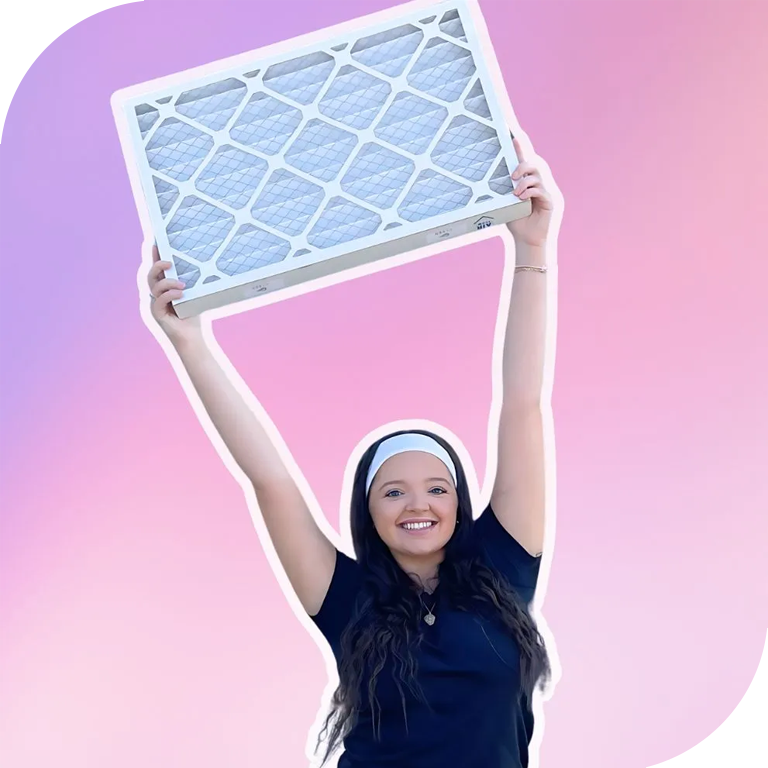

Captures pollen, dust, and mold spores, helping improve indoor air quality while maintaining efficient airflow.
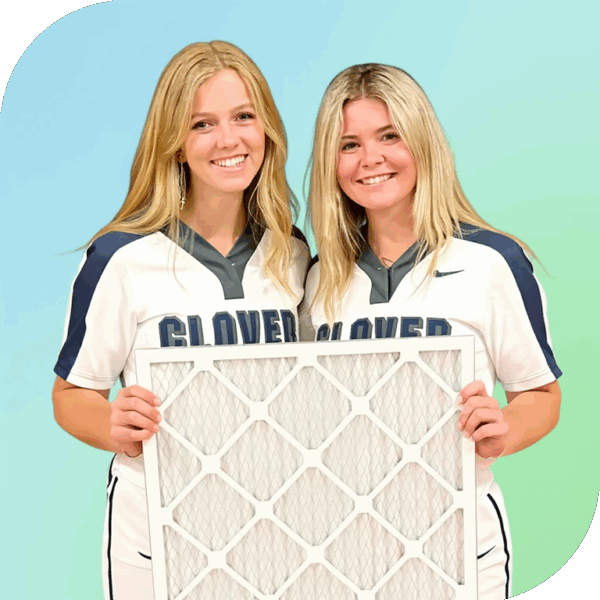
Filters pollen, dust, mold spores, smoke, and large bacteria, providing enhanced air cleanliness for commercial and high-traffic spaces.
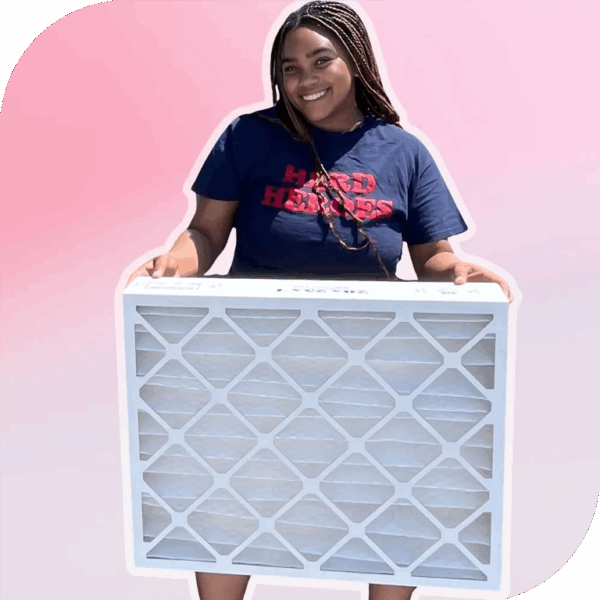
Removes pollen, dust, mold spores, smoke, bacteria, and virus-carrying particles, delivering high-efficiency air filtration for critical indoor environments.
The MERV rating (Minimum Efficiency Reporting Value) indicates how effectively a filter captures airborne particles. Higher ratings mean the filter captures smaller and more particles. For example:
MERV 10 captures larger particles like dust, pollen, pet dander, and some fine particulates.
MERV 11 improves on that by filtering more of the fine particles and offers better protection against smaller pollutants.
MERV 13 captures even finer particles, including many airborne allergens and microscopic particles, giving the best airborne particulate protection of the three.
MERV 10: Removes dust, lint, pollen, pet dander, and larger particles (down to around 1 micron).
MERV 11: Adds better capture of smaller fine dust, smoke, and microscopic particles around or below 1 micron.
MERV 13: Captures even smaller particles like smoke, smog, and many viruses (often carried on droplets), offering superior indoor air quality filtration.
While CleerAir’s own replacement schedule may vary by use and environment, most HVAC filter manufacturers recommend replacing MERV-rated filters roughly every 90 days (about 3 months) for best performance. Changes may be needed more frequently in dusty, high-pollen, or pet-heavy environments.
Yes — you can generally use a higher MERV rating if your HVAC system supports it. Higher MERV filters (11 or 13) improve air quality by trapping more particles, but they can also increase airflow resistance slightly. Make sure your HVAC system’s specifications allow higher MERV filters; older systems sometimes perform better with lower restriction.
CleerAir filters use advanced filtration media (often nanofiber technology) designed to capture a broad range of airborne contaminants effectively at each MERV level. According to the manufacturer, these filters aim to protect health not only by protecting HVAC equipment but by capturing more fine particles — including some that other standard filters at the same MERV level might miss.